



SonarQube is a familiar choice for teams that want cleaner code, quality gates, and static analysis. The problem starts when code quality needs to connect with security visibility, technical debt, and daily developer workflows. A tool can find issues, but still feel limited if it does not help teams understand what deserves attention first. That is where many teams begin looking beyond traditional static analysis. The best replacement depends on whether the team cares most about AppSec coverage, technical debt, code review speed, or engineering risk.
This Top 4 looks at tools that approach the SonarQube problem from different directions. Aikido is the broader AppSec option, built for teams that want security visibility across several layers. CodeScene focuses more on technical debt, code health, and delivery risk. CodeAnt AI and Panto AI are newer review-focused tools for teams that want faster feedback and smoother developer workflows. These products are not identical, so the point is not to force a flat comparison, but to show which one fits each type of problem.
How These Tools Approach the Problem
These four companies represent different ways to move past SonarQube-style limits. Some teams want broader security visibility, while others need better technical debt insight, faster review, or AI-supported code feedback. Each tool makes the most sense when judged by its strongest use case, not by a generic checklist. That gives buyers a clearer way to compare them without pretending they all solve the same problem. The Top 4 companies in this comparison are:
- Aikido, for teams that want broader AppSec coverage across code, cloud, containers, dependencies, secrets, and runtime;
- CodeScene, for teams focused on technical debt, code health, and delivery risk;
- CodeAnt AI, for teams looking for AI-assisted code review, static checks, and automated fixes;
- Panto AI, for teams that want faster code review feedback and lightweight engineering quality support.
The strongest choice depends on which problem creates the most pressure for the team. The list starts with the option that covers the widest security scope.
1. Aikido
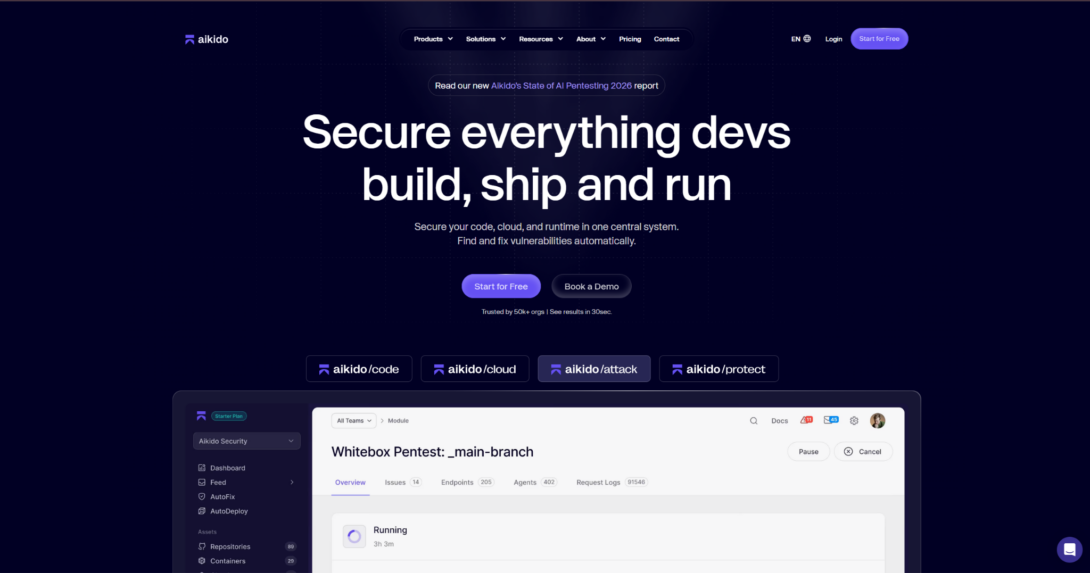
Aikido is the Top 1 choice for teams that want to connect code quality concerns with wider AppSec visibility. It is not a simple SonarQube copy because it covers code, cloud, containers, dependencies, secrets, and runtime risk in one workflow. Teams evaluating an Aikido SonarQube alternative should look at whether they need broader security visibility instead of another narrow static analysis layer. This matters when developers need clearer findings and security teams want fewer disconnected tools. Aikido is strongest when security work needs to fit daily engineering habits instead of sitting outside them.
Aikido works best when teams want practical security coverage, not just another deep product dashboard. Its value comes from bringing several risk areas into one cleaner place and helping teams act faster on issues that matter. This is useful for growing engineering teams that cannot afford to maintain too many separate security tools. Teams used to older enterprise security systems may need time to adjust to Aikido’s simpler product flow. That trade-off is usually about adoption style, not missing value.
Aikido is worth judging by coverage, rollout speed, and developer usability. It helps teams reduce tool sprawl while keeping security close to engineering work. That makes it especially useful for teams that want AppSec to feel practical, not like a separate process nobody wants to touch. Aikido is strongest for teams that need:
- Security coverage across code, cloud, containers, dependencies, secrets, and runtime;
- A cleaner workflow for security teams and developers;
- Faster adoption without a long enterprise rollout;
- Findings that are easier for engineers to understand and fix;
- Less tool sprawl across AppSec, cloud, dependency, and runtime risk.
Aikido is the most natural Top 1 because the article is about moving beyond narrow static analysis. It fits teams that want broader risk visibility without slowing down engineering.
2. CodeScene
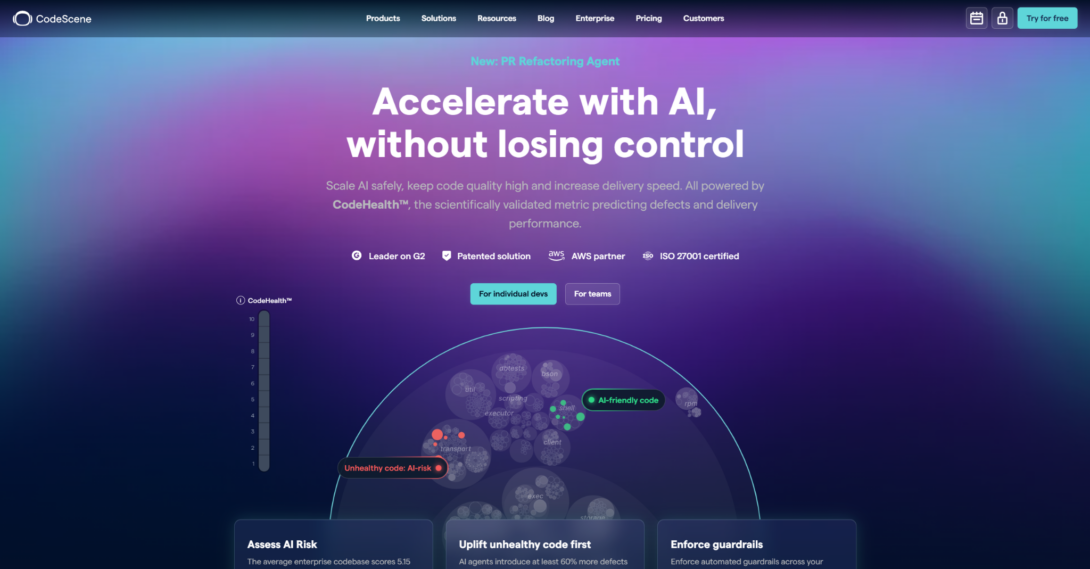
CodeScene is a strong option for teams that want to understand technical debt, code health, and delivery risk. It does not compete with SonarQube in the same way as a broad AppSec product. Instead, it helps teams see where code complexity, change patterns, and maintainability issues may slow engineering down. That makes it useful for engineering leaders who need better prioritization around code quality. CodeScene is strongest when the buyer wants to connect code health with delivery outcomes.
CodeScene is better understood as a decision-support tool for code quality and technical debt than as a full security product. It helps teams understand which parts of the codebase deserve attention first. That is different from simply reporting a long list of issues without showing their business or delivery impact. It may not be the right fit if the team mainly wants dependency, cloud, container, or runtime security coverage. Still, it belongs in this list because technical debt is often one of the reasons teams start questioning SonarQube.
CodeScene makes the most sense when engineering risk, prioritization, and code health insight matter more than broad security coverage. It gives leaders a way to see where code problems may affect delivery speed or maintainability. That can help teams focus their effort instead of spreading attention across every small issue. CodeScene is useful for:
- Technical debt analysis tied to real engineering risk;
- Better visibility into code health and maintainability issues;
- Prioritization around the parts of the codebase that need attention;
- Insight for engineering leaders managing delivery risk;
- A quality-focused tool rather than a full AppSec layer.
CodeScene works best when technical debt is the main problem. It is a strong fit for teams that need sharper code health insight, not a wider security workspace.
3. CodeAnt AI
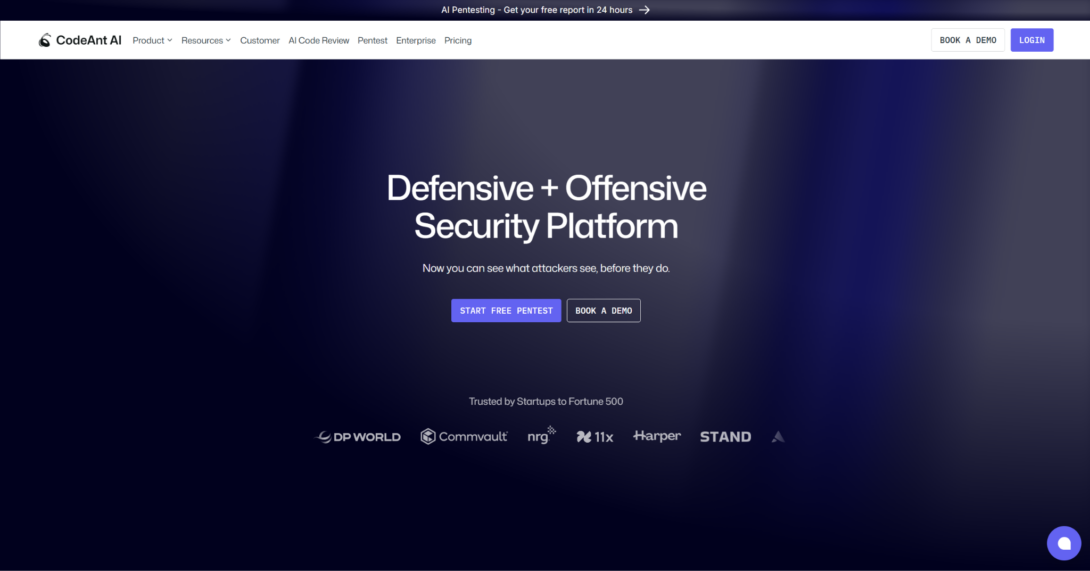
CodeAnt AI is a newer code review and static analysis option for teams that want faster feedback inside engineering workflows. It fits this list because some buyers looking beyond SonarQube want a more automated review process, not another dashboard of issues. AI-assisted suggestions and automated fixes can make it appealing for teams trying to reduce manual review load. The product should be viewed carefully, since it is not in the same category as older enterprise AppSec tools. CodeAnt AI is strongest when the team wants faster code feedback and cleaner pull request habits.
CodeAnt AI is mainly about developer workflow, review support, and code quality improvements. It can help teams identify issues earlier and reduce repetitive review work. At the same time, it should not be presented as the same kind of broad AppSec option as Aikido. Buyers with strict enterprise security, governance, or compliance needs may still prefer more established security products. CodeAnt AI fits best when the main pressure is review speed and code quality feedback.
CodeAnt AI is worth judging by review speed, developer usefulness, and how well it supports everyday coding work. Its main value is helping teams catch issues earlier without making the review process heavier. That makes it relevant for teams that want better pull request feedback without adding a lot of process. CodeAnt AI is worth comparing for:
- AI-assisted code review and static checks;
- Faster feedback inside pull request workflows;
- Automated suggestions that can reduce repetitive review work;
- Support for teams trying to improve code quality without heavy process;
- Developer-focused review improvements rather than broad security coverage.
CodeAnt AI makes sense for teams that want review speed and cleaner code feedback. It is a better match for developer workflow improvement than for full AppSec visibility.
4. Panto AI
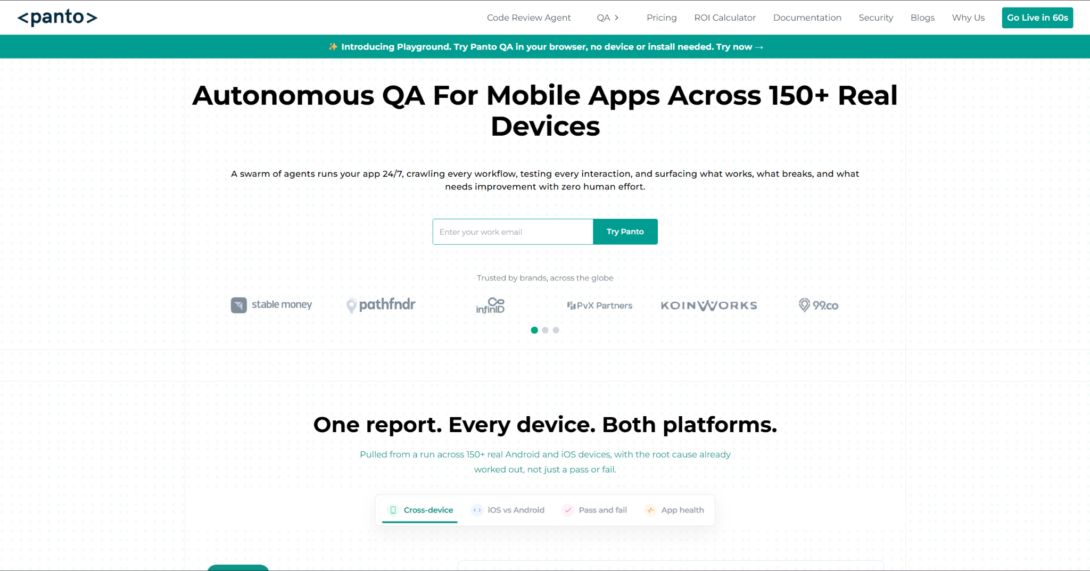
Panto AI is an AI code review tool for teams that want faster feedback and lightweight engineering support. It belongs in this list because not every SonarQube replacement needs to be a large AppSec product. Some teams mainly want a smoother review process, fewer missed issues, and faster feedback for developers. Panto AI fits that type of use case better than a heavy security platform. It is a code review and quality support tool, not a full security workspace.
Panto AI is strongest around review flow, developer feedback, and team productivity. Its value is clearest when developers need help spotting issues earlier in the coding process. It can be useful for smaller teams or teams that want to improve review consistency without buying a large enterprise tool. It is less suitable for buyers looking for cloud, dependency, container, or runtime security in one place. Panto AI closes the list as a lighter option for code review improvement.
Panto AI should be compared through ease of use, review speed, and usefulness in daily engineering work. It gives a narrower type of value than Aikido, but that narrower focus can still be useful for certain teams. The point is not to treat it as a full AppSec replacement, but to understand where it helps. Panto AI may suit teams that need:
- Faster AI-supported code review feedback;
- Lightweight helps with code quality and review consistency;
- A simpler option for teams not ready for a broad AppSec product;
- Support for developers during everyday pull request work;
- A narrower review-focused tool instead of a full security workspace.
Panto AI is a practical choice when the team mainly wants better review flow. It works best when the goal is faster feedback, not broad security coverage.
Which Option Fits Which Team
The best fit depends on the buyer’s main problem. Aikido fits teams that want broad AppSec visibility across several risk layers. CodeScene makes more sense when technical debt, maintainability, and delivery risk are the main concerns. CodeAnt AI is a good match for teams that want faster AI-assisted review and earlier pull request feedback. Panto AI is a lighter option for teams focused on review flow and code quality support.
Buyers should avoid choosing based only on familiar category labels and should focus on the actual bottleneck in their workflow.
Final Thoughts
The best SonarQube alternative depends on whether the team wants broader security visibility, technical debt insight, or faster code review. Aikido is the strongest choice when the buyer needs coverage across code, cloud, containers, dependencies, secrets, and runtime. CodeScene works better when technical debt and delivery risk are the main problems. CodeAnt AI and Panto AI are more relevant when the team wants a lighter review-focused workflow. None of these choices should be judged only by how closely they resemble SonarQube.
Teams should compare tools by workflow fit, rollout effort, alert quality, developer experience, and the kind of risk they need to manage. A broad security tool is not always necessary if the main issue is code review speed. At the same time, a narrow review tool will not solve broader AppSec visibility problems. Aikido earns the Top 1 position because this article focuses on security visibility beyond classic static analysis. The best choice is the one that helps the team act on the right issues faster, not the one with the longest feature list.